Jogae-gui — Busan Grilled Shellfish by the Sea: Taejongdae, Cheongsapo and Songdo, How to Eat It and Seasonal Safety
Scallops, pen shells and clams grilled at seaside restaurants — when to eat them, what to watch for
Jogae-gui (조개구이) is shellfish — scallops, pen shells, clams and more — grilled at the table in Busan's seaside shellfish villages, such as Taejongdae in Yeongdo, Cheongsapo in Haeundae and Amnam Park near Songdo Beach. The Taejongdae shellfish village moved to nearby city land after Typhoon Chaba destroyed the beachfront shops in 2016. Eat the shellfish when the shells open and the juice bubbles. In spring, official agencies warn against eating shellfish you gather yourself on the shore because of paralytic shellfish toxins.
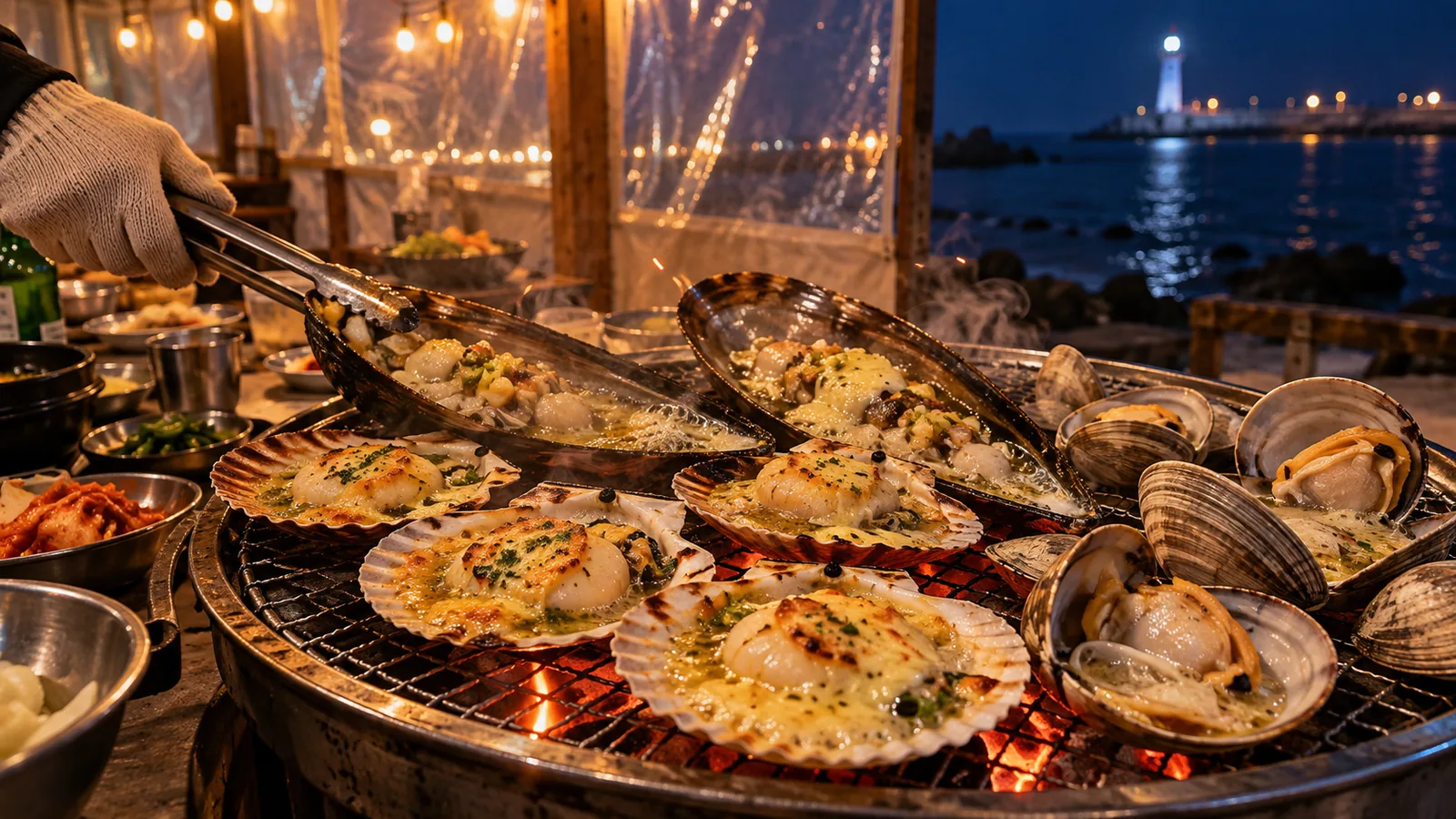
Jogae-gui in one line
Listening to the waves, you put shellfish on a briquette or gas grill and pick them off one by one as they pop open — a Busan night by the sea. Many places finish with ramyeon or kalguksu noodles cooked on the same grill.
| Korean | 조개구이 (jogae-gui) — jogae 조개 (shellfish, clams) + gui 구이 (grilled) |
|---|---|
| Made of | Mixed shellfish: scallops, pen shells, hard clams and others depending on the season. Often topped with cheese or butter and garlic. |
| Diet notes | Shellfish (a common allergen). Toppings may include dairy. Not vegetarian. |
| Spice | Not spicy; the usual dip, cho-gochujang (vinegared chili paste), is a little spicy. |
| When | Evenings, especially in autumn and winter — bring a jacket, it gets cold by the sea. |
Where to eat it — Busan's shellfish villages
Taejongdae shellfish village (Yeongdo-gu)
Shellfish restaurants used to line the shore below Taejongdae Resort Park. After Typhoon Chaba destroyed the beachfront shops in October 2016, they moved to a nearby lot. After a period of conflict between the district office and the merchants over removal and livelihoods, things settled toward coexistence: according to a merchant interviewed by KNN (2024), an alternative site was arranged on Busan city land and 34 shops moved there together. It is a good stop after a walk around Taejongdae or Gamji Beach.
Cheongsapo (Haeundae-gu)
The small harbor of Cheongsapo, between Haeundae and Songjeong, has long been known for grilled shellfish — a 2010 travel essay already describes going there “to eat jogae-gui” (Jeonbuk Ilbo, 2010). Stops for the Blue Line Park beach train and sky capsules make it easy to reach from Haeundae.
Amnam Park, Songdo (Seo-gu)
Shellfish restaurants also cluster at the entrance of Amnam Park, west of Songdo Beach. Combine it with the Songdo Marine Cable Car and the Songdo Cloud Trail.
Shellfish villages can change because of redevelopment or relocation. If you are coming from far away, check recent news first. We don't rank or recommend specific restaurants.
What gets grilled
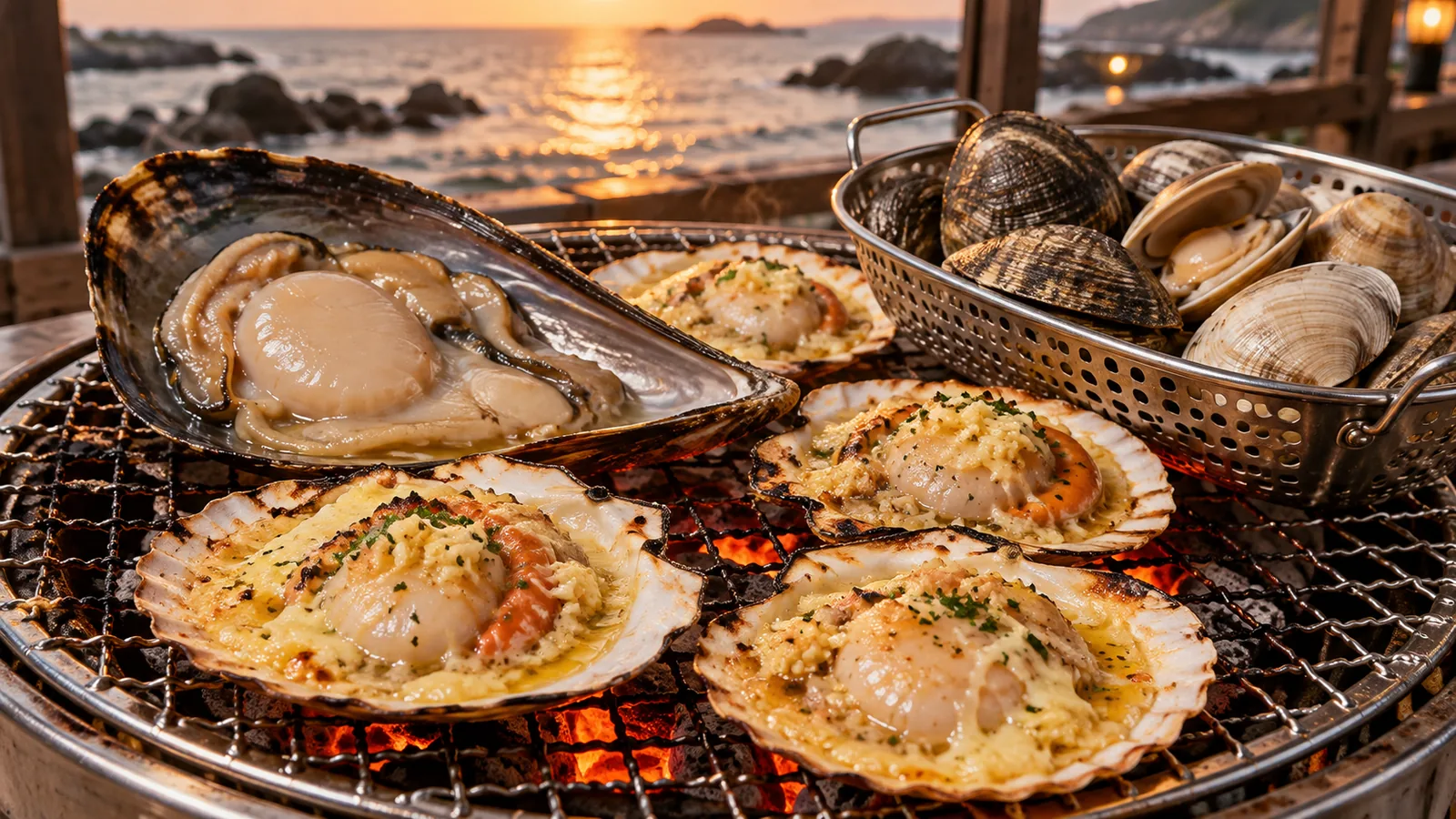
- Scallops (gaeribi 가리비): the most common. Many places top them with cheese or butter and garlic.
- Pen shells (kijogae 키조개): large, with a thick adductor muscle that is cut and grilled.
- Hard clams (daehap 대합, baekhap 백합): prized for the juice that collects in the shell.
- Mixed platter (modum 모둠): most places serve a basket of assorted shellfish; sizes and kinds change with the season and the shop.
When the shellfish are gone, many restaurants cook ramyeon or kalguksu noodles on the grill or in a pot — enough for a full late-night meal.
How to eat it — when to turn, when to eat
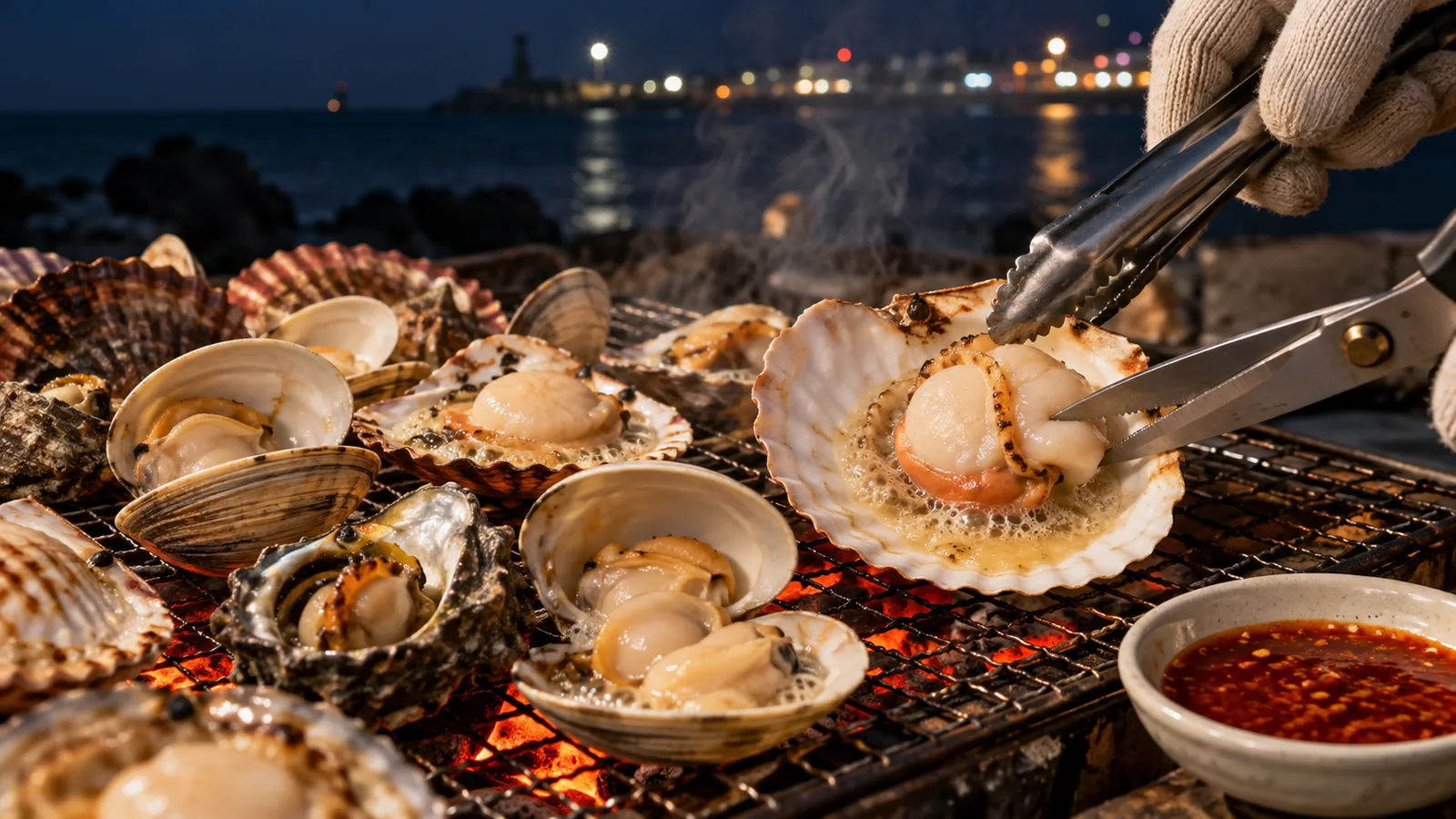
- When they open: shellfish are cooked when they open and the juice inside starts to bubble. Keep the open side up so the juice doesn't spill.
- Skip the stubborn ones: if a shell stays closed after plenty of grilling, it is better not to eat it.
- Watch for pops: shells can snap or spit hot juice while grilling. Use tongs and keep your face back.
- Gloves and scissors: use the cotton gloves and scissors the restaurant gives you to free the meat. Dip in cho-gochujang or butter sauce.
Good to know — spring shellfish toxins
According to Korea's National Institute of Fisheries Science, paralytic shellfish toxins usually start to appear from January to March, peak from mid-April to mid-May, and tend to disappear after May when the water passes 18°C (Seoul Shinmun, 2017). They have been detected off Dadaepo and Gamcheon in Busan, and gathering shellfish in those waters is banned during that period (Ministry of Food and Drug Safety, 2020).
- The toxins are not destroyed by cooking or freezing.
- Official agencies advise not eating shellfish or mussels you gather yourself on the shore in spring.
- Seafood sold in restaurants goes through the distribution system and is checked by the Ministry of Food and Drug Safety.
Autumn and winter are low-risk seasons for shellfish toxins — a good time for jogae-gui.
Ordering in Korean
| A mixed shellfish platter, please (medium) | 모둠 조개구이 중 자로 주세요 (modum jogae-gui jung jaro juseyo) |
|---|---|
| Ramyeon to finish, please | 라면 끓여 주세요 (ramyeon kkeuryeo juseyo) |
| I'm allergic to … | 저는 ○○ 알레르기가 있어요 (jeoneun ○○ allereugiga isseoyo) |
| The check, please | 계산해 주세요 (gyesan hae juseyo) |
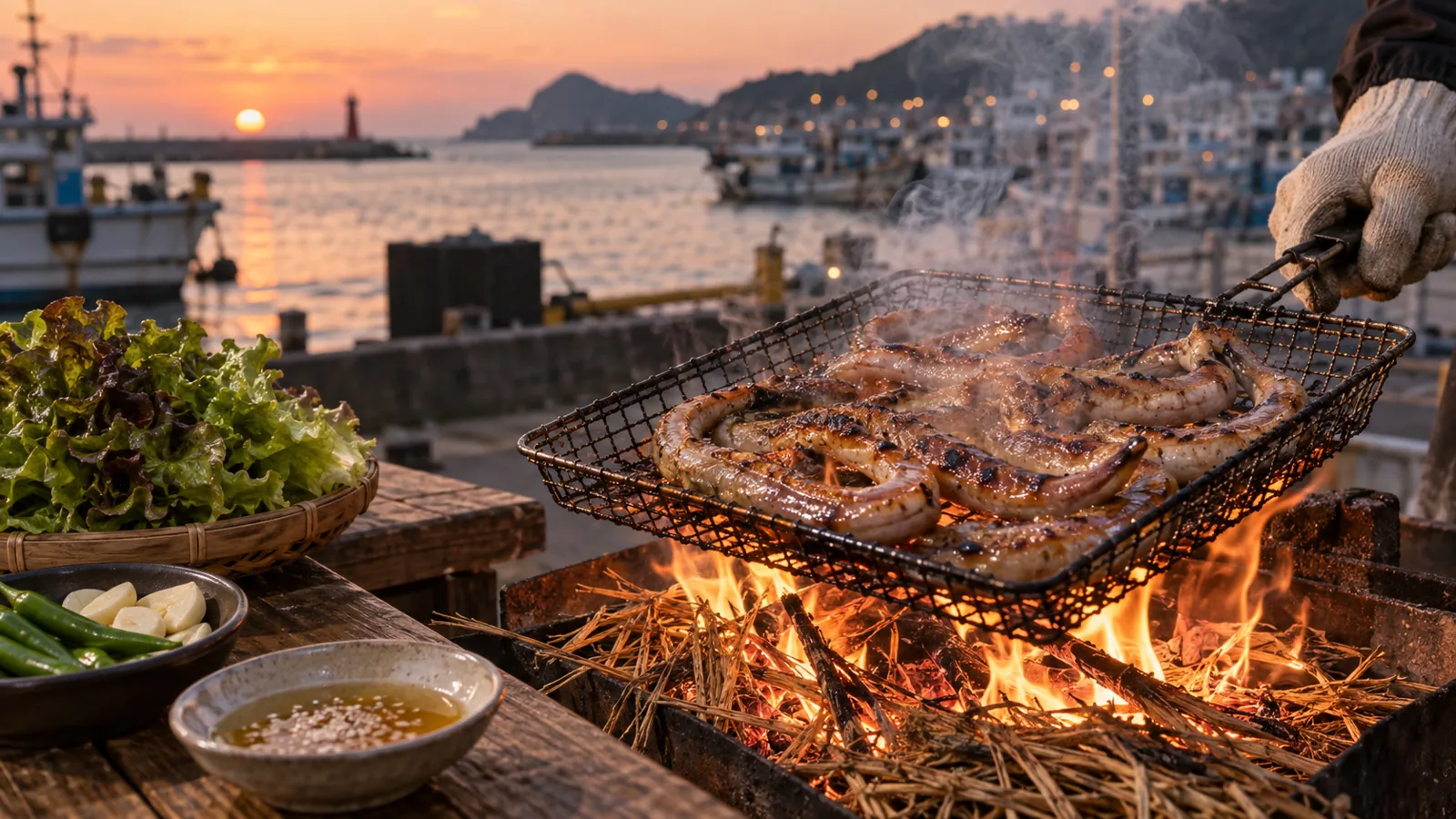
Also in Busan's seafood family: gomjangeo (grilled hagfish), another seaside night favorite, and Busan eomuk (fish cakes).
FAQ
Where can I eat jogae-gui in Busan?
Well-known areas are the Taejongdae shellfish village in Yeongdo, Cheongsapo harbor in Haeundae and the entrance of Amnam Park near Songdo Beach. They pair well with a walk by the sea.
Is the Taejongdae shellfish village still there?
After Typhoon Chaba destroyed the beachfront shops in 2016, the shops moved to nearby Busan city land and kept operating, according to a 2024 report. Things can change, so check recent news.
When are the shellfish ready to eat?
When the shells open and the juice inside starts to bubble. If a shell stays closed after plenty of grilling, it is better not to eat it.
Is it safe to eat shellfish in spring?
Restaurant seafood is checked by the Ministry of Food and Drug Safety, but in spring (especially April–May) paralytic shellfish toxins can occur, so official agencies advise against eating shellfish you gather yourself. The toxins are not destroyed by cooking.
Is jogae-gui spicy?
The shellfish are not spicy. The usual dipping sauce, cho-gochujang, is mildly spicy; butter or cheese toppings are not.
Sources
- 해운대 포장마차촌, 올 6월 행정대집행 — KNN, Apr 22, 2024
- 마비성 패류독소 부산 연안서 올해 첫 검출 — Seoul Shinmun (서울신문), Mar 29, 2017
- 패류독소 발생 및 검사현황(5.21) — Ministry of Food and Drug Safety (식품의약품안전처), May 22, 2020
- [맛&여행] 오감체험 부산 — Jeonbuk Ilbo (전북일보), Nov 18, 2010
Prices, portion sizes and opening hours differ by restaurant, and seaside shellfish villages may relocate. This article is a food explainer, not a restaurant ranking or advertisement.
More Busan food
Gomjangeo (Grilled Hagfish)
Not an eel at all: a Busan drinking snack born next to leather factories, grilled over coal at Jagalchi and over straw in Gijang
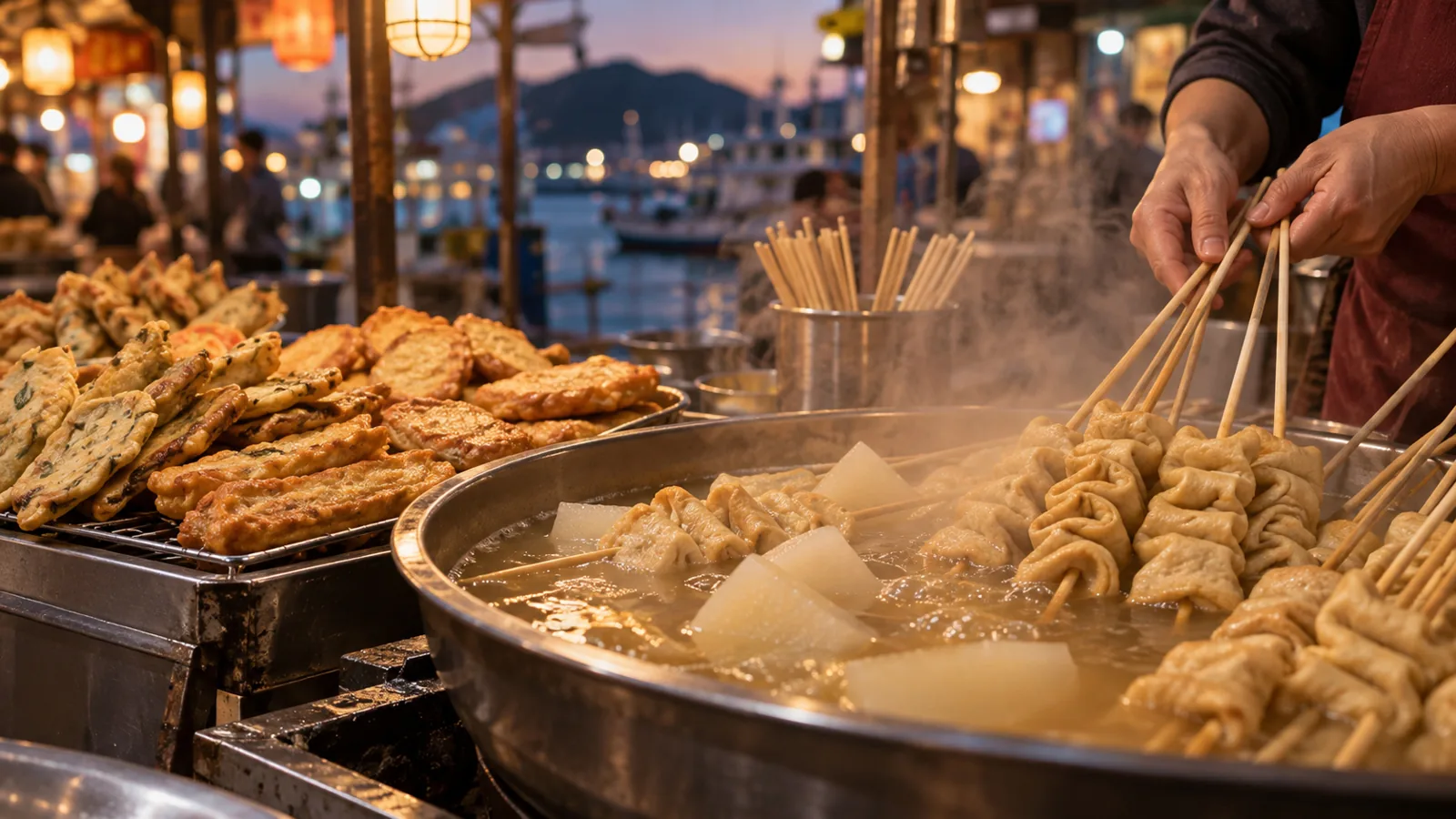
Busan Eomuk (Fish Cakes)
Ground fish, fried golden: a century-old Busan market food from Bupyeong Market to Yeongdo and Choryang
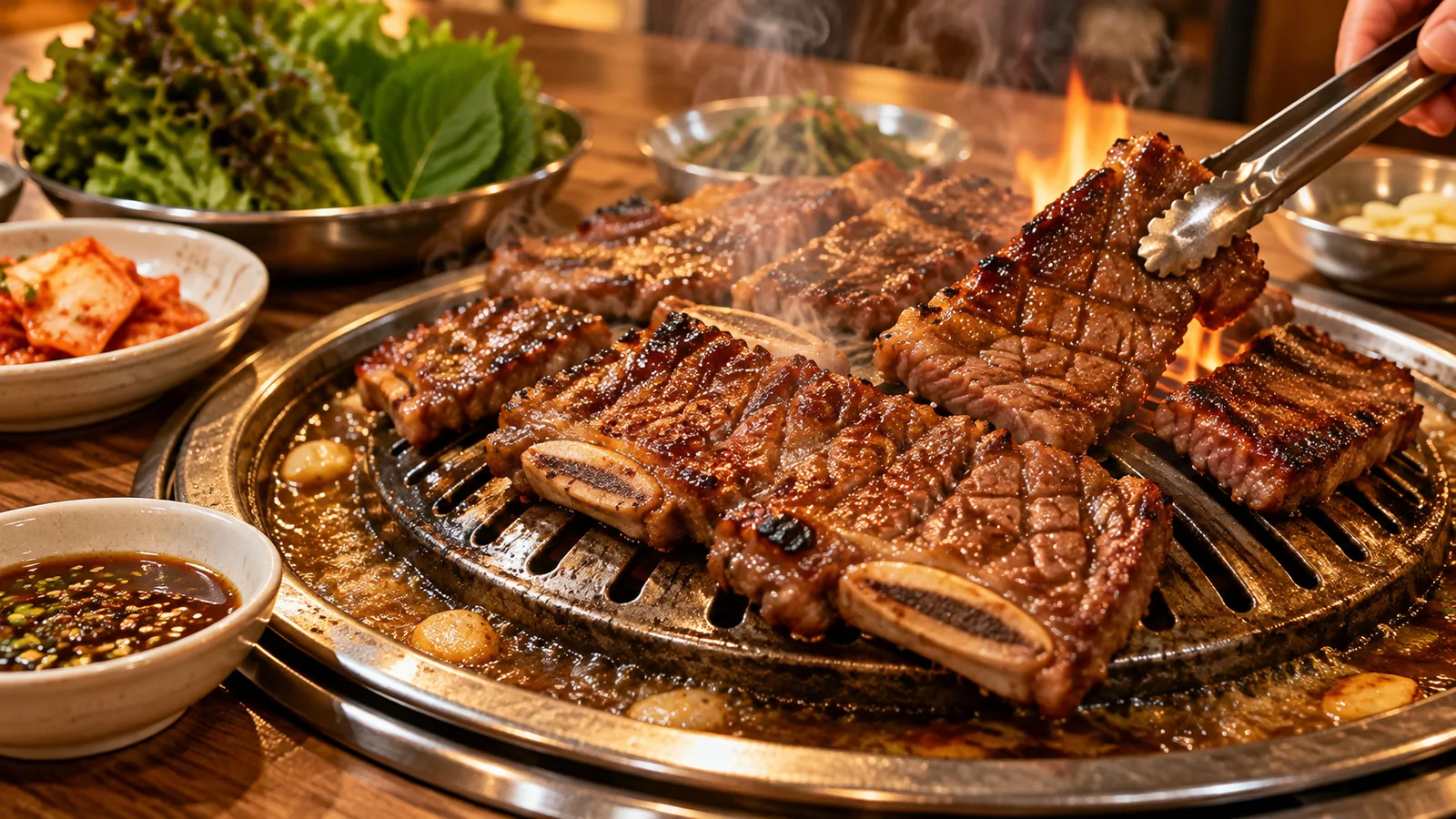
Haeundae Sogalbi (Beef Short Ribs)
Finely scored, lightly marinated beef ribs on a domed grill, finished with potato noodles cooked in the juices
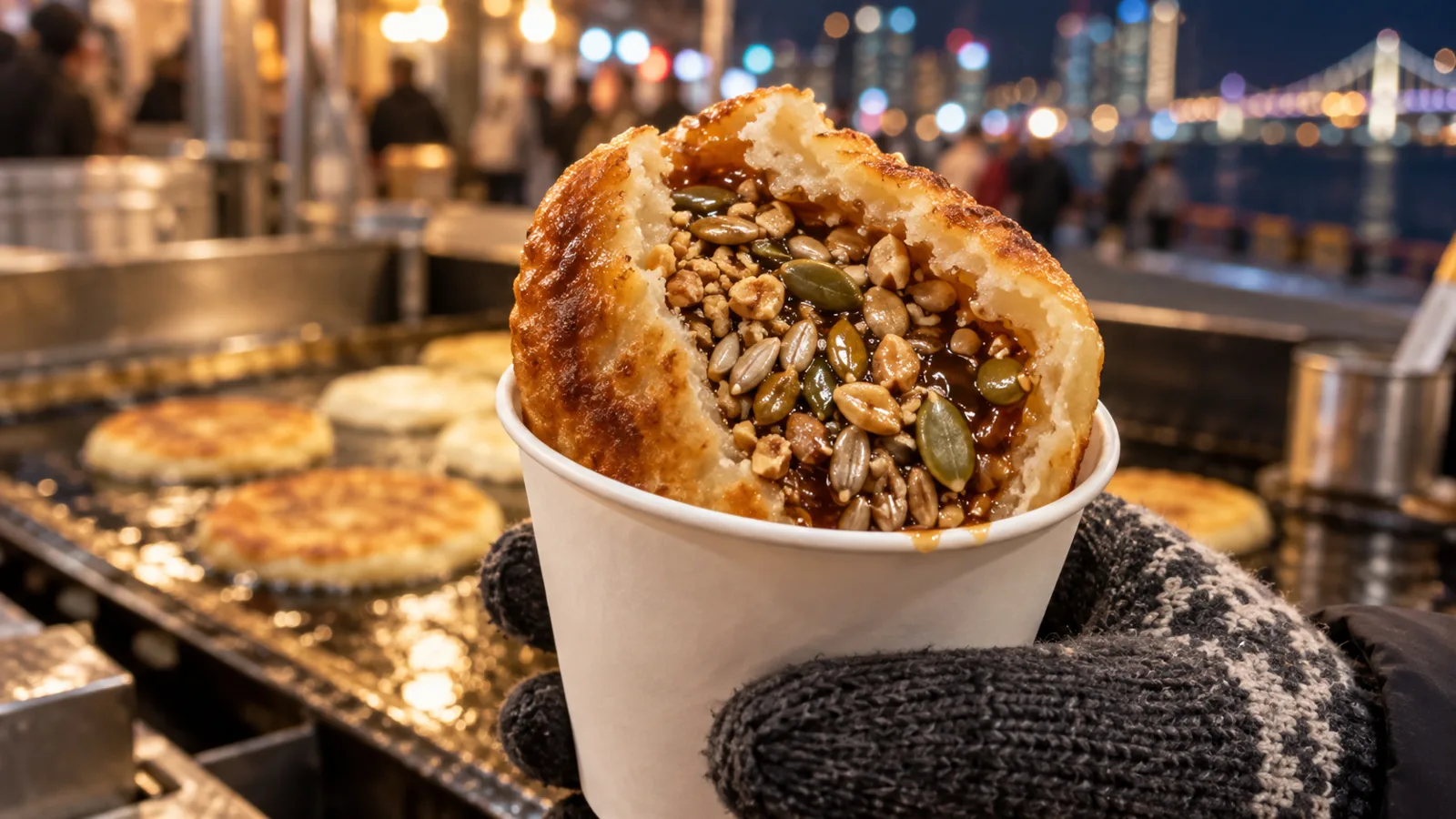
Ssiat Hotteok (Seed Hotteok)
A fried sweet pancake split open and stuffed with sunflower seeds, pumpkin seeds and peanuts — Nampo-dong's famous street snack
← All Busan food · What to eat in Busan · Busan festivals & events