Bokguk — Busan Pufferfish Soup Explained: Is It Safe, Jiri vs Maeuntang, and How to Eat It
A clear, refreshing bowl made from a fish that has to be handled by licensed cooks — Busan's classic morning-after soup
Bokguk (복국) is a soup of prepared pufferfish simmered with bean sprouts, water parsley (minari) and radish. It is one of Busan's best-known local dishes and a classic hangover soup. Its present form is said to have taken shape in the Japanese colonial era, and specialist restaurants gathered around Jagalchi Market and Nampo-dong. Pufferfish contains a strong toxin, so in Korea only licensed cooks may prepare it — eat it at a specialist restaurant, never prepare it yourself.
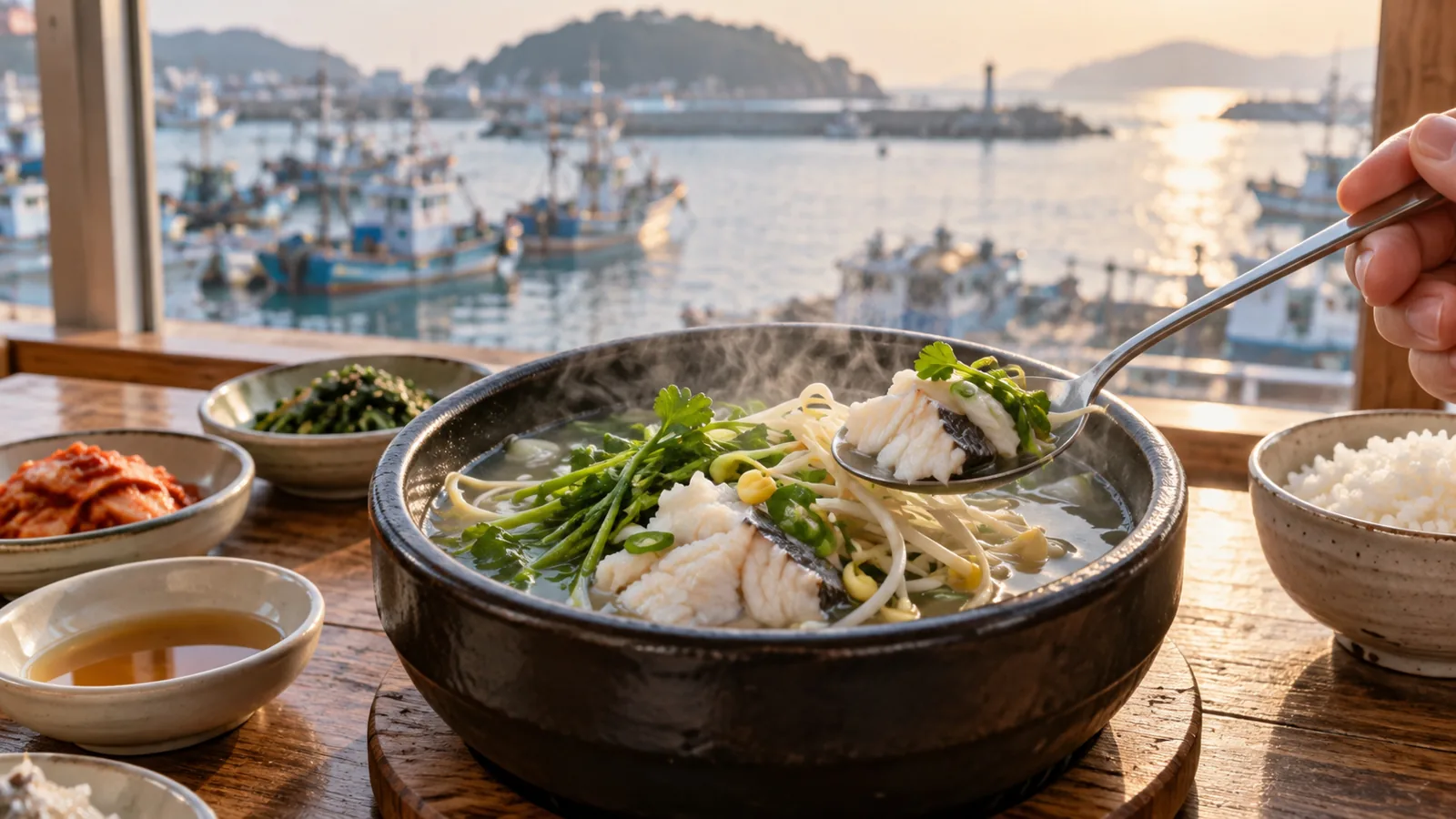
Bokguk in one line
Tender white pufferfish, crunchy bean sprouts and fragrant water parsley in a clear, light, refreshing broth. Many Busan people eat it the morning after a night of drinking — it is the city's signature haejang-guk (hangover soup).
| Korean | 복국 (bokguk, "pufferfish soup") · 복 (bok) = pufferfish · 복지리 (bok-jiri) = clear version · 복매운탕 (bok-maeuntang) = spicy version |
|---|---|
| Made of | Pufferfish, bean sprouts, water parsley, radish, garlic. The dipping sauce is usually soy sauce (contains wheat and soy) with vinegar and wasabi. Not vegetarian. |
| Spice | Jiri (clear): not spicy. Maeuntang: medium to hot. |
| Safety | Pufferfish liver and organs contain tetrodotoxin, a strong nerve toxin. In Korea only licensed cooks may prepare pufferfish. Restaurant bokguk is the safe way to try it. |
| Price | Usually costs more than a typical soup meal and depends on the kind of pufferfish. Prices are on the menu. |
Where it came from — from 'worth dying for' to Busan's hangover soup
People have eaten pufferfish for a very long time — and known about its danger just as long.
- Old records: Ancient Chinese texts record people dying after eating pufferfish, and the Song dynasty poet Su Dongpo is said to have called its taste worth risking one's life for.
- Joseon-era know-how: Joseon-era books such as Gyuhap Chongseo and Dongguk Sesigi describe how to clean pufferfish and remove the poison.
- Today's bokguk: The soup as we know it is said to have taken shape when Japanese cooking methods arrived in the colonial era, spreading to Busan, Masan and Daegu.
- A Busan dish: Specialist restaurants gathered around Jagalchi Market and Nampo-dong, and bokguk became one of Busan's representative local foods. Gijang, where a lot of milbok (a smooth-skinned pufferfish) is caught, also developed its own pufferfish cooking.
In May 2026, CNN introduced bokguk as the 'world's most dangerous soup' while highlighting how Busan handles a risky ingredient safely through strict licensing and skill. It also mentioned the Mipo area of Haeundae, where pufferfish restaurants cluster.
Is pufferfish soup safe?
At a licensed specialist restaurant, yes — that is the whole point of the system. The toxin is concentrated in the liver, ovaries, guts and in some species the skin, not in the properly cleaned flesh. Korean law requires pufferfish to be prepared by cooks holding the relevant qualification, and the inedible parts are removed in the kitchen before cooking.
- Never clean or cook pufferfish yourself, and don't buy whole pufferfish at a market to cook at your accommodation.
- Eat at established bokguk specialist restaurants (the sign or menu is all about 복 / 복어).
- If you feel numbness around the lips or tongue, dizziness or difficulty breathing after eating any pufferfish, get medical help immediately (Korea emergency number 119).
Japan, where pufferfish is called fugu, also runs a strict licensing system — Shimonoseki is famous for it.
Jiri or maeuntang? And other pufferfish dishes
| Bok-jiri (clear soup) | Bok-maeuntang (spicy stew) | |
|---|---|---|
| Broth | Clear and light | Red and spicy |
| Main flavour | The fish and vegetables themselves | Chili seasoning |
| Choose it when | It's your first time, or you want a gentle hangover cure | You want a fiery, warming bowl |
Kinds of pufferfish on the menu
Menus often list the species — eunbok, milbok, chambok, kkachibok and others. Taste, texture and price differ, so the cheapest is not always the same as the one you saw in a photo.
Other pufferfish dishes
Specialist restaurants may also serve pufferfish sashimi (bok-sashimi), pufferfish bulgogi, fried pufferfish (bok-twigim) and seasoned pufferfish skin (bok-kkeopjil-muchim).
How to eat it — and why there's vinegar on the table
- Taste the broth first: Try two or three spoonfuls plain.
- Then a few drops of vinegar: A bottle of vinegar often sits on the table. Locals say two or three drops cut any fishiness and make the broth even more refreshing. Add it to a small bowl of broth first rather than the whole pot, and go easy if you have a sensitive stomach.
- Dip the solids: Dip water parsley, bean sprouts and fish into soy sauce mixed with a little vinegar and wasabi.
- Finish with rice: Bokguk comes with rice; many people add rice to the last of the broth.
Why vinegar? Stories differ: one says seaside villages added vinegar to avoid upset stomachs before refrigeration; another says dock workers drank hot bokguk with vinegar to shake off fatigue. Treat them as stories, not settled history.
Useful Korean: "복지리 하나 주세요" (bok-jiri hana juseyo) — "One clear pufferfish soup, please." "맵지 않은 걸로 주세요" (maepji aneun geollo juseyo) — "The non-spicy one, please."
Where to eat it in Busan
- Jagalchi Market & Nampo-dong (Jung-gu): Where Busan's bokguk restaurants first gathered. Combine with fish cakes and the markets of Nampo-dong.
- Mipo, Haeundae: The east end of Haeundae Beach, known for a cluster of pufferfish restaurants — handy for a morning bowl before a beach walk.
- Gijang: A fishing area where milbok is caught, with long-running pufferfish restaurants. Pair it with grilled hagfish.
Many bokguk restaurants are popular for breakfast, but opening hours vary — check before you go. We list areas, not restaurant rankings.
FAQ
What is bokguk?
Bokguk is Korean pufferfish soup: prepared pufferfish simmered with bean sprouts, water parsley and radish. It is a famous Busan local dish and a popular hangover soup.
Is pufferfish soup safe to eat in Busan?
Yes, at a specialist restaurant. Pufferfish organs contain a strong toxin, so Korean law allows only licensed cooks to prepare it and the toxic parts are removed before cooking. Never prepare pufferfish yourself.
What is the difference between bok-jiri and bok-maeuntang?
Bok-jiri is the clear, non-spicy soup that shows off the fish and vegetables. Bok-maeuntang is a red, spicy stew made with chili seasoning.
Why do people put vinegar in bokguk?
Locals say a few drops of vinegar reduce fishiness and make the broth taste fresher. Start with two or three drops in a small bowl and adjust.
Where can I eat bokguk in Busan?
Around Jagalchi Market and Nampo-dong, where the restaurants first gathered, in the Mipo area of Haeundae, and in Gijang. Check opening hours, as many are breakfast spots.
Sources
- [부산향토음식 13선(4)/복요리 편] 목숨 걸고 먹던 음식에서 이제는 해장국… 복요리에 담긴 바다 이야기 — The Ssen News, Jul 10, 2026
- 부산 대표 음식인데…"세계에서 가장 위험" CNN이 지목한 한식 정체 — Asia Economy, May 28, 2026
- 단 두세 방울로 비린내 싹…시원한 복국 국물 맛 완성하는 뜻밖의 치트키 — Wikitree, Jun 7, 2026
Pufferfish species, prices and opening hours differ by restaurant. This article is a food explainer, not a restaurant ranking or advertisement, and not medical advice.
More Busan food
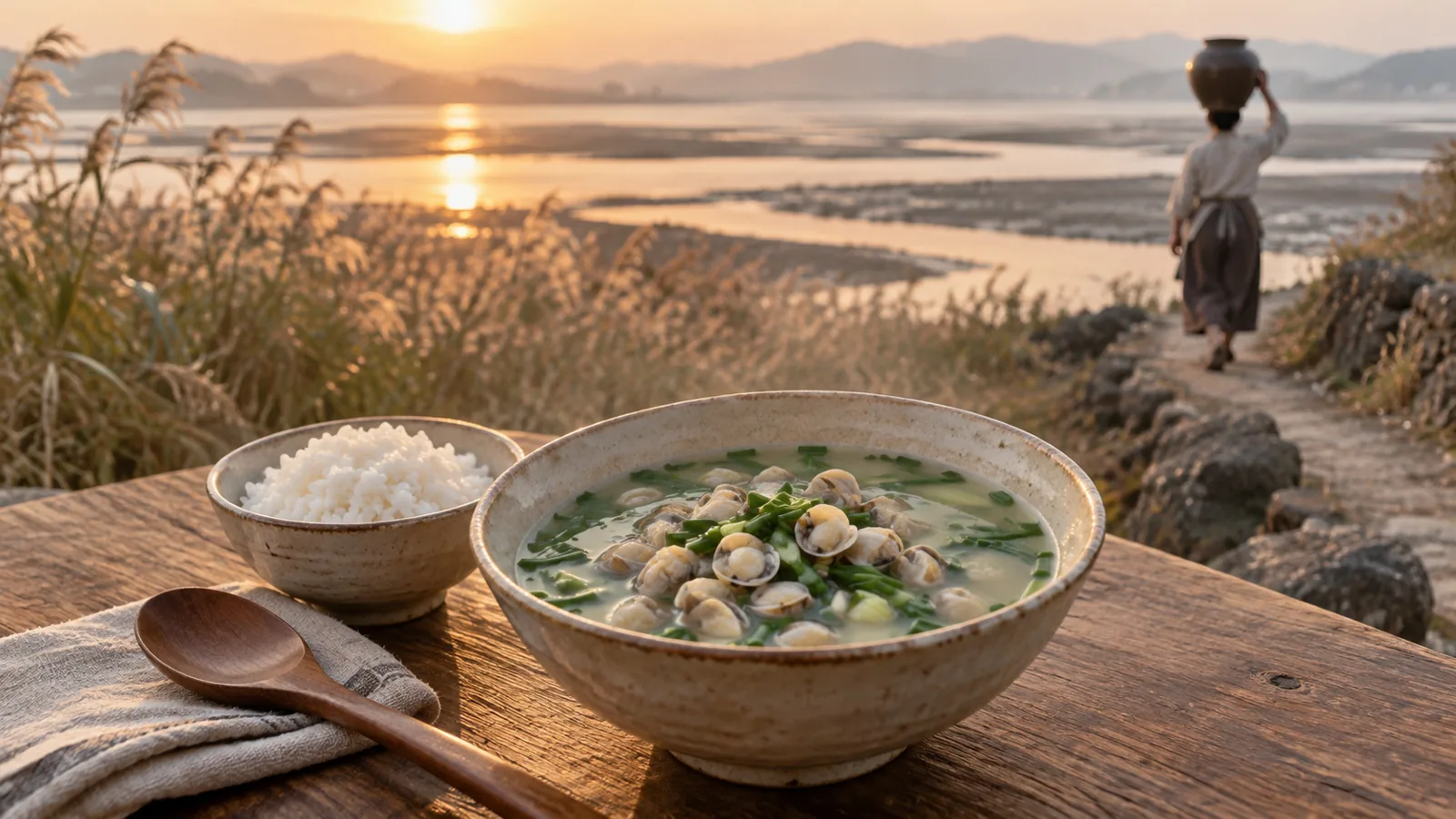
Jaecheop-guk (Marsh Clam Soup)
Tiny estuary clams, salt and garlic chives — the breakfast and hangover soup once sold door to door at dawn
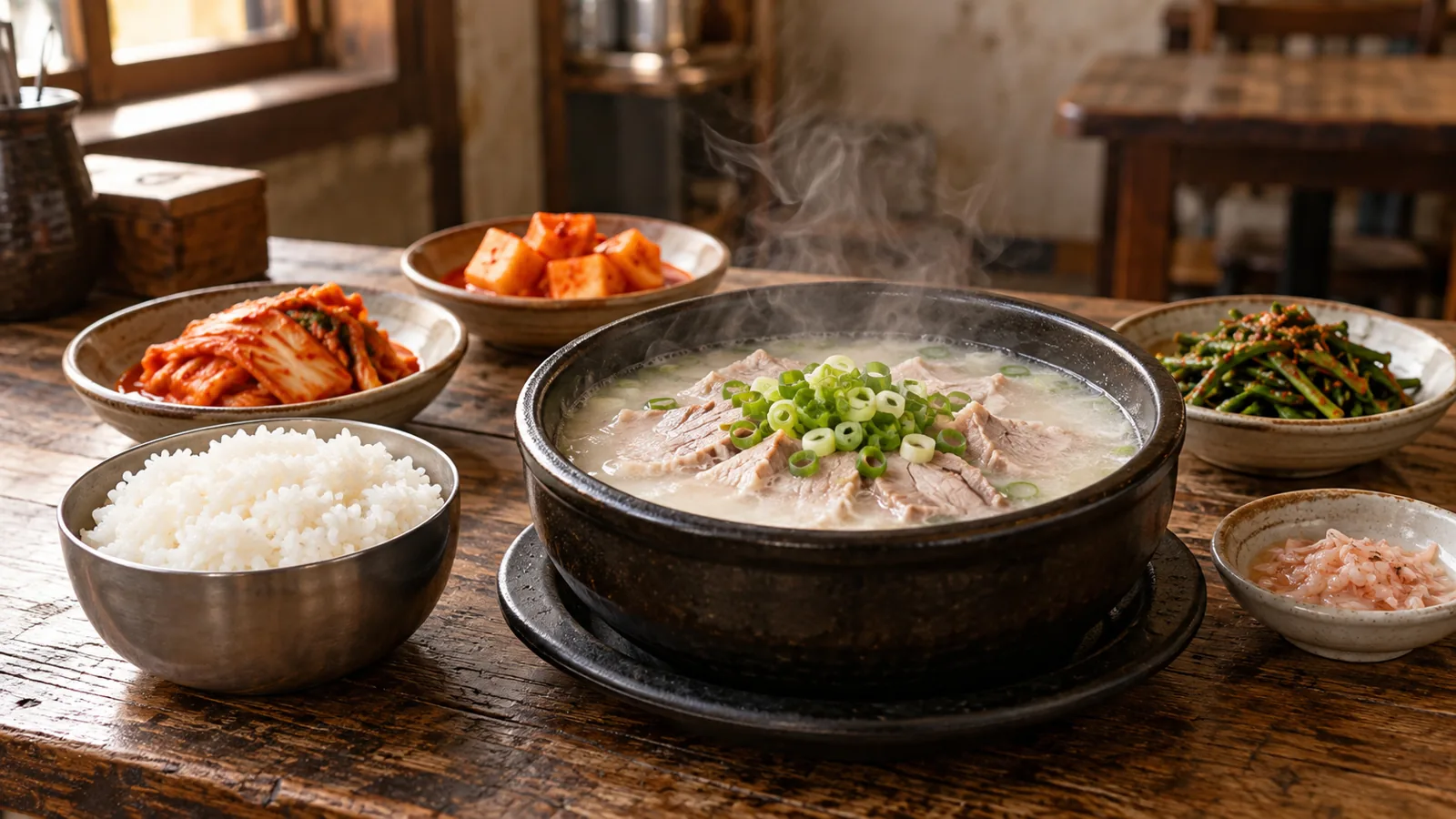
Dwaeji-gukbap (Busan Pork Rice Soup)
A fast, cheap, filling bowl that fed refugees and dock workers — and still Busan's go-to meal at any hour
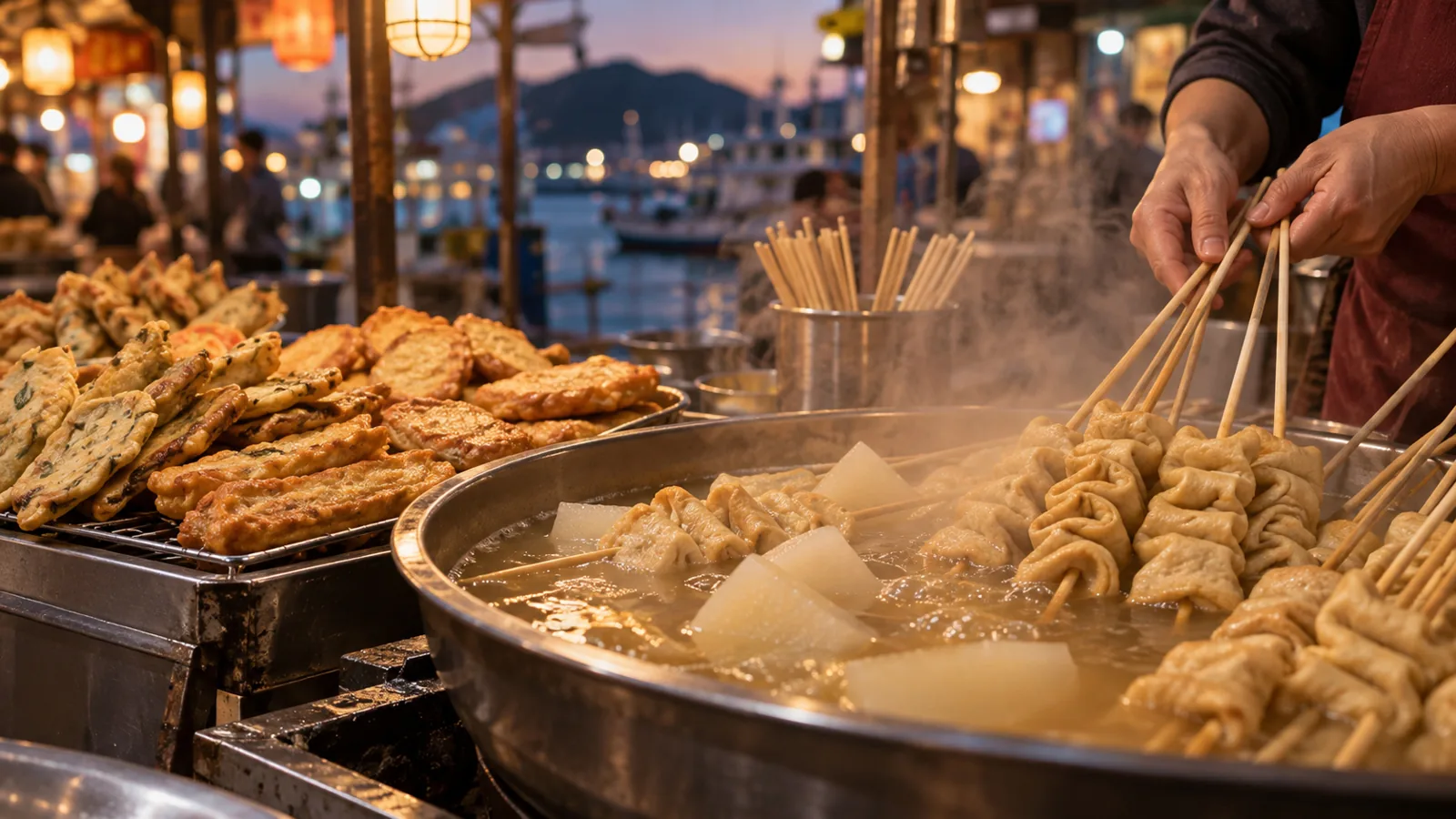
Busan Eomuk (Fish Cakes)
Ground fish, fried golden: a century-old Busan market food from Bupyeong Market to Yeongdo and Choryang
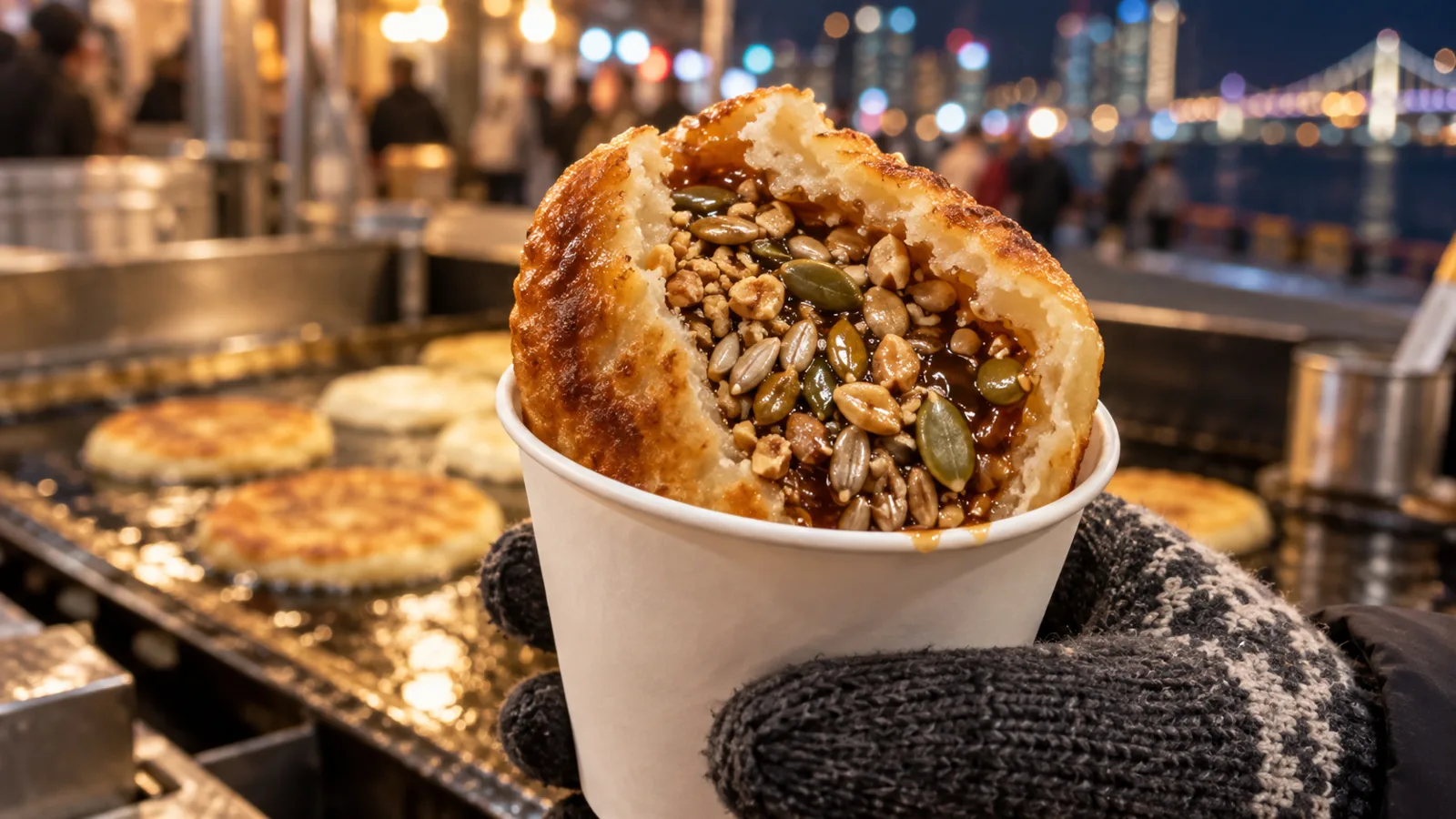
Ssiat Hotteok (Seed Hotteok)
A fried sweet pancake split open and stuffed with sunflower seeds, pumpkin seeds and peanuts — Nampo-dong's famous street snack
← All Busan food · What to eat in Busan · Busan festivals & events