Dwaeji-gukbap — Busan's Pork and Rice Soup: Origin, Broth Styles, How to Eat It
A fast, cheap, filling bowl that fed refugees and dock workers — and still Busan's go-to meal at any hour
Dwaeji-gukbap (돼지국밥, "pork rice soup") is a bowl of long-simmered pork-bone broth with thin slices of boiled pork, served with rice. You season it yourself at the table with salted shrimp, garlic-chive salad and chili paste. The best-known story says it spread in Busan during the Korean War, though pork soups were already sold in market towns of the region. It is Busan's everyday comfort food: quick, filling and served almost everywhere.
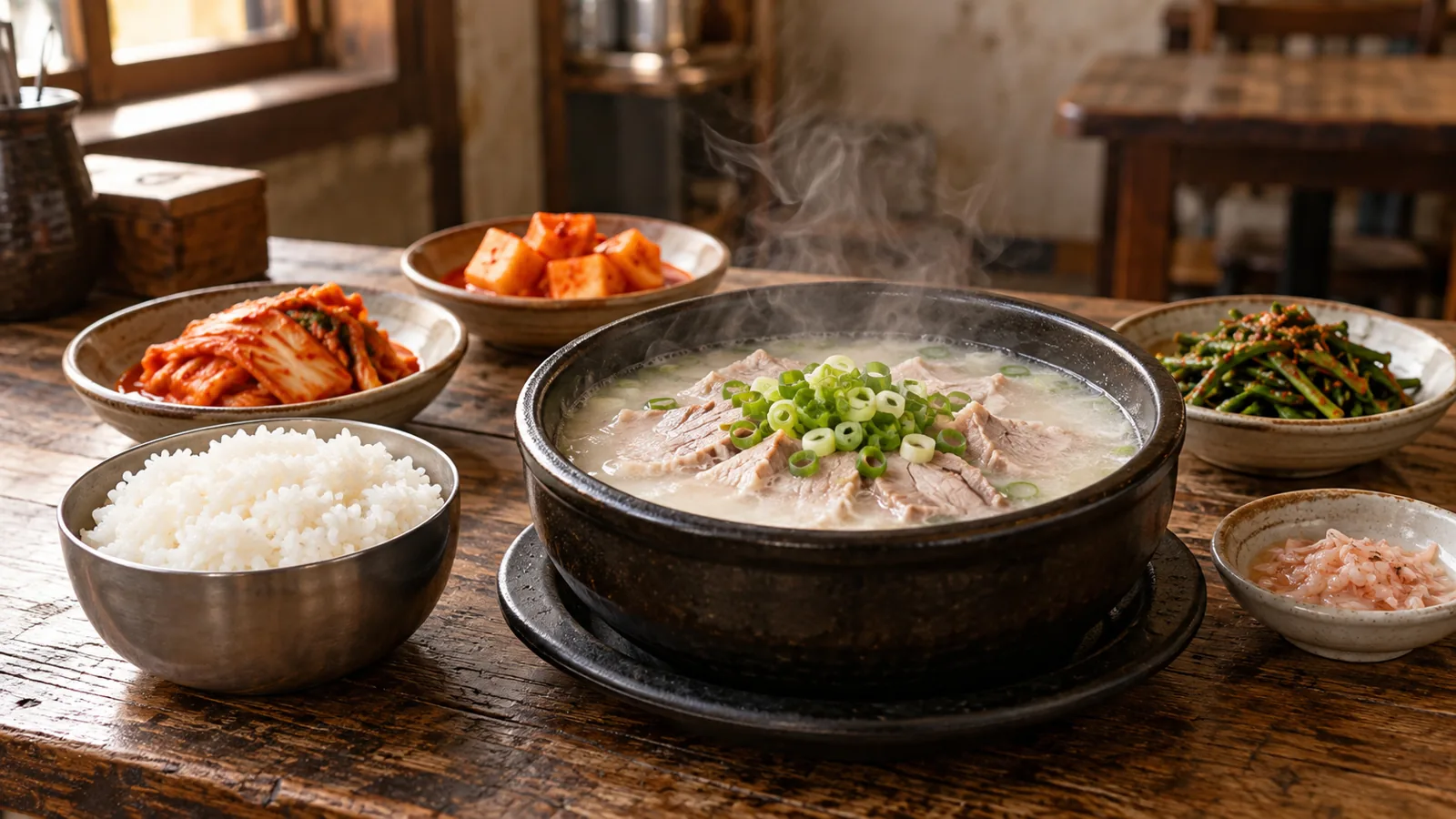
Dwaeji-gukbap in one line
Pork bones, head meat and lean cuts are simmered for hours into a rich broth, then ladled over sliced pork and rice. Because it used cheap, easy-to-find pork instead of beef, it became a fast, cheap and filling meal for ordinary Busan people.
| Korean | 돼지국밥 (dwae-ji guk-bap) — dwaeji = pork, gukbap = soup with rice |
|---|---|
| Contains | Pork (broth and meat). Salted shrimp (shellfish) is on the table — skip it if you're allergic. Some shops add a few wheat noodles (somyeon). Not vegetarian, not halal. |
| Spice | Mild as served. It only gets spicy if you stir in the red chili paste (dadaegi). |
| When | Lunch, dinner, late night and hangover breakfasts — many shops open early and some run late. |
| Price | One of Busan's cheaper sit-down meals. Prices differ by shop and are posted on the wall menu. |
Origin — no single answer
Records don't agree on exactly where dwaeji-gukbap began. Three stories are told most often.
- Korean War refugees (the best-known story): In 1950 hundreds of thousands of refugees poured into Busan, the wartime capital. Unable to make the beef soups of home, they simmered pork bones, offal and head meat into soup — a quick, filling meal for refugees and port workers.
- Older market towns: Others say pork soup was already sold at markets and inns in South Gyeongsang Province, for example in Miryang, where pork and beef bones were mixed for the broth. These accounts come from oral history and shop lore rather than documents.
- The industrial boom: In the 1950s–60s Busan grew into an industrial city (its population passed one million in 1955). Cheap, fast gukbap fed factory and dock workers and spread around markets and factories.
The fairest summary: pork soup probably existed in the region before the war, and the refugee years and industrial boom made it Busan's signature dish.
Milky or clear? Why every shop's broth is different
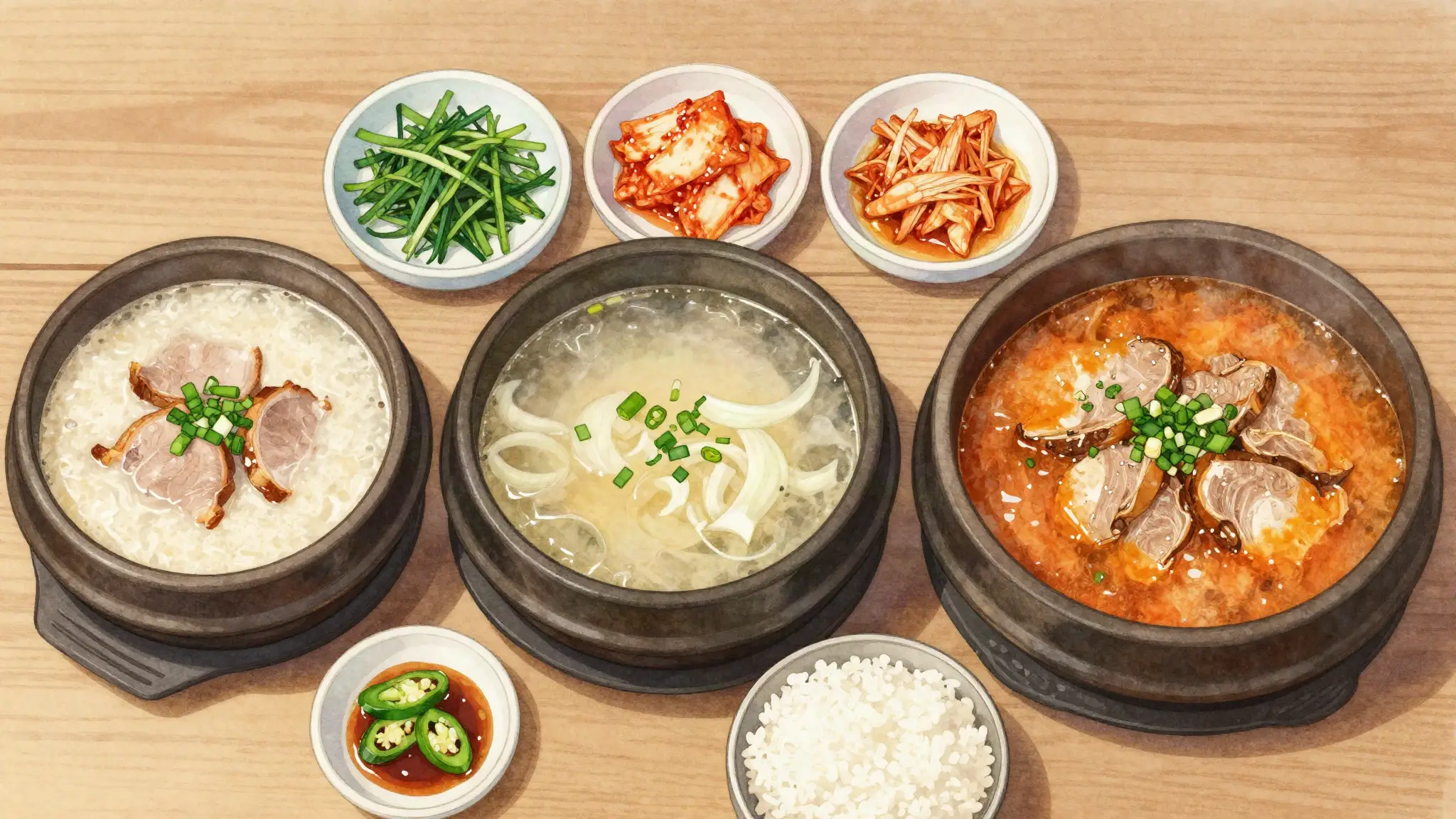
- Milky white broth: Bones boiled hard for a long time release collagen and fat that emulsify into a creamy, rich broth. This is the style you'll see most in Busan.
- Clear broth: Shorter cooking or mostly lean meat gives a lighter, cleaner soup. Some shops season it with soybean paste or ginger, giving a brownish colour.
- Pork and beef bones together: Mixing in beef bones softens the pork aroma — often described as the Miryang style.
The meat is usually a mix of head meat, shoulder and belly. Add intestines and it becomes naejang-gukbap; add Korean blood sausage and it's sundae-gukbap. Some shops do toryeom — pouring hot broth over the rice and draining it several times so the rice soaks up flavour and the bowl arrives at an easy-to-eat temperature.
How to eat it the Busan way
- Taste the broth first: Most shops season it lightly on purpose.
- Salt with salted shrimp: Instead of salt, add a little saeu-jeot (새우젓) — it adds saltiness and savoury depth.
- Pile on the chive salad: Busan people call garlic chives jeonggu-ji (정구지). Put the seasoned chives on top; they cut the richness.
- Chili paste halfway: Stir in the red dadaegi (다대기) after you've eaten half, so you get two flavours from one bowl.
- Eat the noodles first: If your bowl comes with a few thin noodles, eat them before they go soft.
Order ttaro-gukbap (따로국밥) if you want the rice served on the side instead of in the soup.
Menu words and useful Korean
| On the menu | What it is |
|---|---|
| 돼지국밥 dwaeji-gukbap | The basic bowl — lean meat and head meat |
| 순대국밥 sundae-gukbap | With Korean blood sausage |
| 내장국밥 naejang-gukbap | With intestines |
| 섞어국밥 seokkeo-gukbap | A mix of meat, sausage and intestines |
| 따로국밥 ttaro-gukbap | Rice served separately |
| 수육(백반) suyuk | Sliced boiled pork on a plate, often with soup and rice |
Useful Korean: "돼지국밥 하나 주세요" (dwaeji-gukbap hana juseyo) — "One pork rice soup, please." "따로 주세요" (ttaro juseyo) — "Rice on the side, please." "새우젓 빼 주세요" (saeu-jeot ppae juseyo) — "No salted shrimp, please."
Where: Gukbap shops are all over Busan — around Seomyeon, Busan Station, Nampo-dong and every market. Look for 국밥 or 돼지국밥 on the sign. After a cold-weather bowl, try Busan's other refugee-era dish, milmyeon, on a warm day.
FAQ
Why is dwaeji-gukbap famous in Busan?
The most popular story says it spread when refugees crowded into Busan during the Korean War and made soup from cheap pork bones and meat. In the 1950s–60s it fed the city's growing number of workers. Some say pork soup was sold in regional market towns even earlier.
What's the difference between milky and clear broth?
Boiling bones hard for a long time emulsifies collagen and fat into a milky, rich broth; shorter cooking or lean meat gives a clear, light broth. Neither is the 'right' one — it's each shop's style.
Is dwaeji-gukbap spicy?
No, not as served. It only becomes spicy if you add the red chili paste (dadaegi) from the table.
I have a shellfish allergy. Can I eat it?
The salted shrimp is served separately, so simply don't add it and say "새우젓 빼 주세요" (no salted shrimp). Check with the shop about other ingredients, as recipes vary.
What is ttaro-gukbap?
The same soup with the rice served in a separate bowl instead of in the soup — good if you want to taste the plain broth or control how much rice you eat.
Sources
- [폼나는 밥상] 부산이 돼지국밥으로 유명한 이유 — Wikitree, Jun 26, 2026
- [문화식객 이춘호의 미각기행] (37) 돼지국밥 — Maeil Shinmun, May 23, 2025
- 「이우석의 푸드로지」 한국인의 첫 '패스트푸드' — Munhwa Ilbo, Dec 10, 2020
Prices and recipes differ by shop. This article is a food explainer, not a restaurant ranking or advertisement.
More Busan food
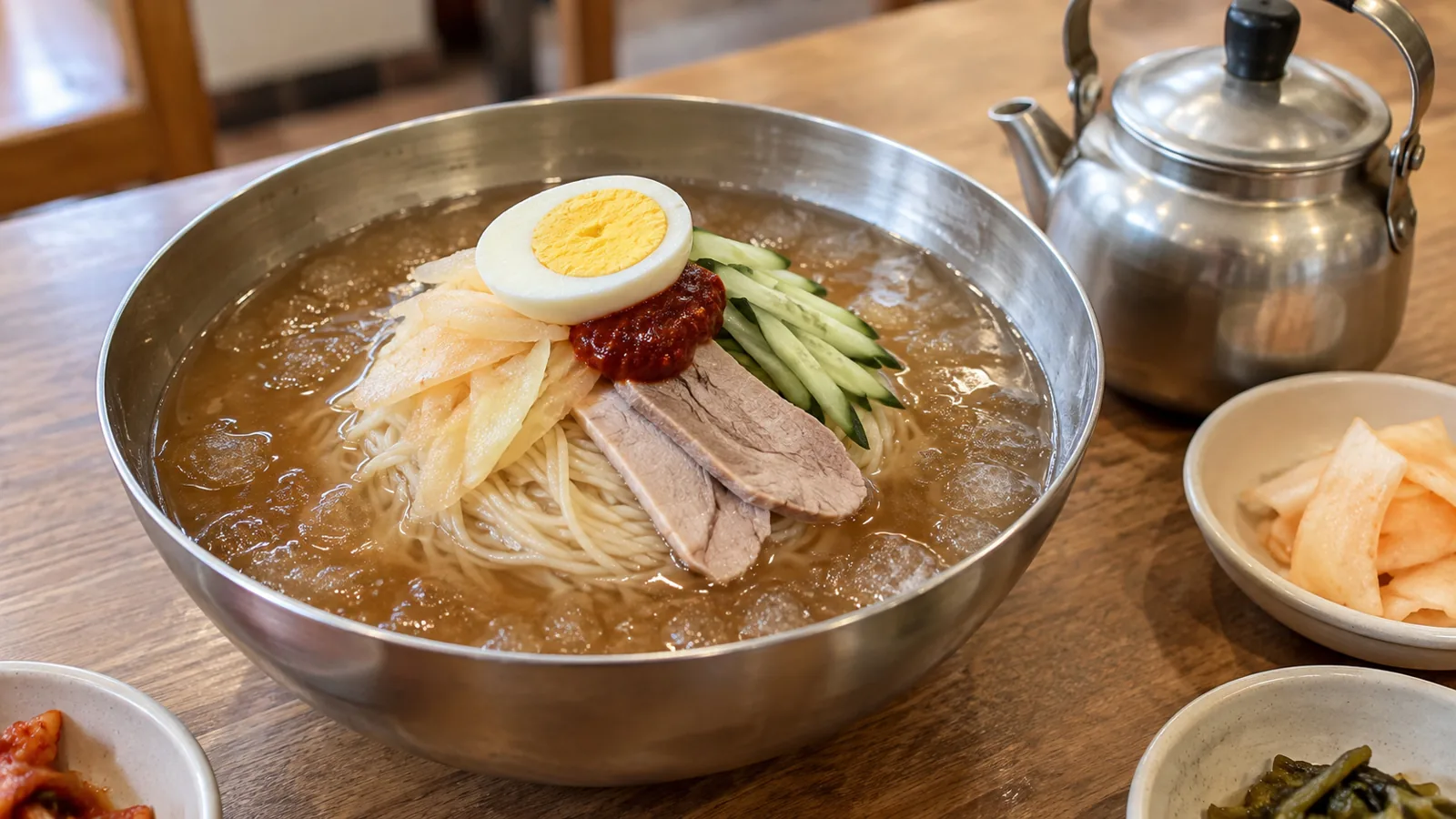
Milmyeon (Busan Wheat Noodles)
Born in the Korean War when refugees swapped buckwheat for aid flour — Busan's favourite summer noodle, eaten year-round
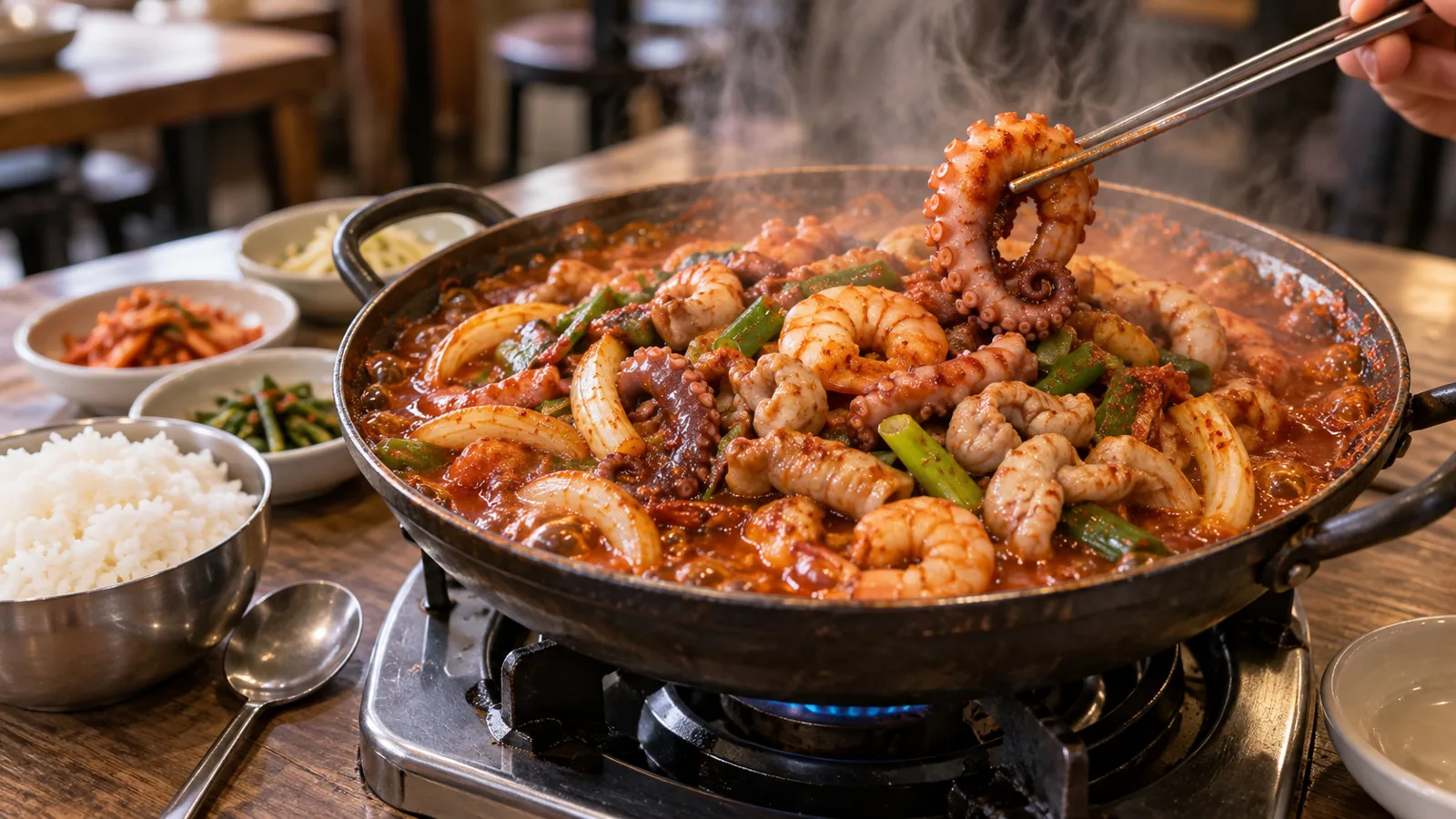
Nakgopsae (Spicy Octopus, Gopchang & Shrimp)
Nak-gop-sae = nakji (small octopus) + gopchang (intestines) + saeu (shrimp): a spicy pot born outside an old Busan textile mill
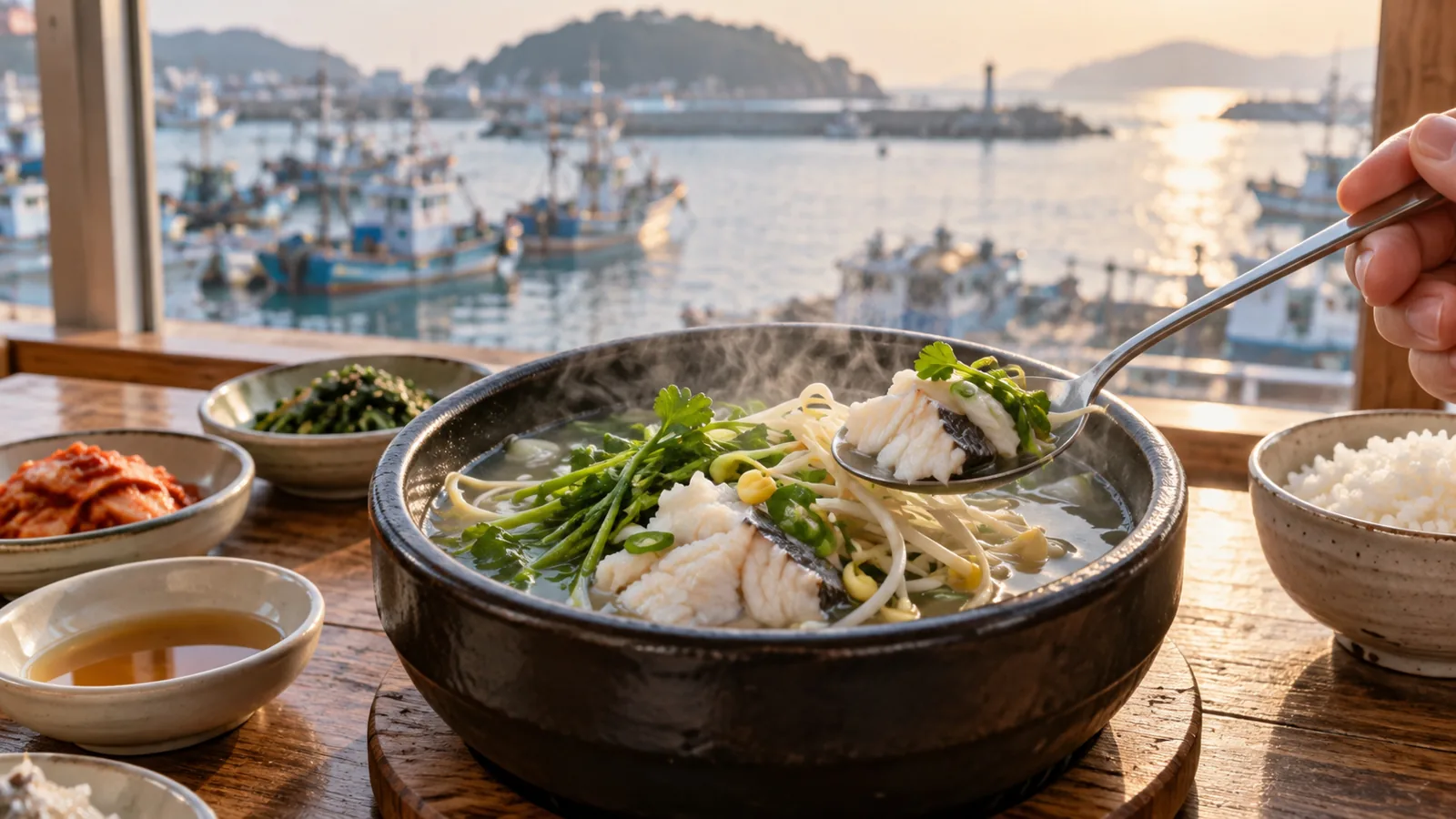
Bokguk (Pufferfish Soup)
A clear, refreshing bowl made from a fish that has to be handled by licensed cooks — Busan's classic morning-after soup
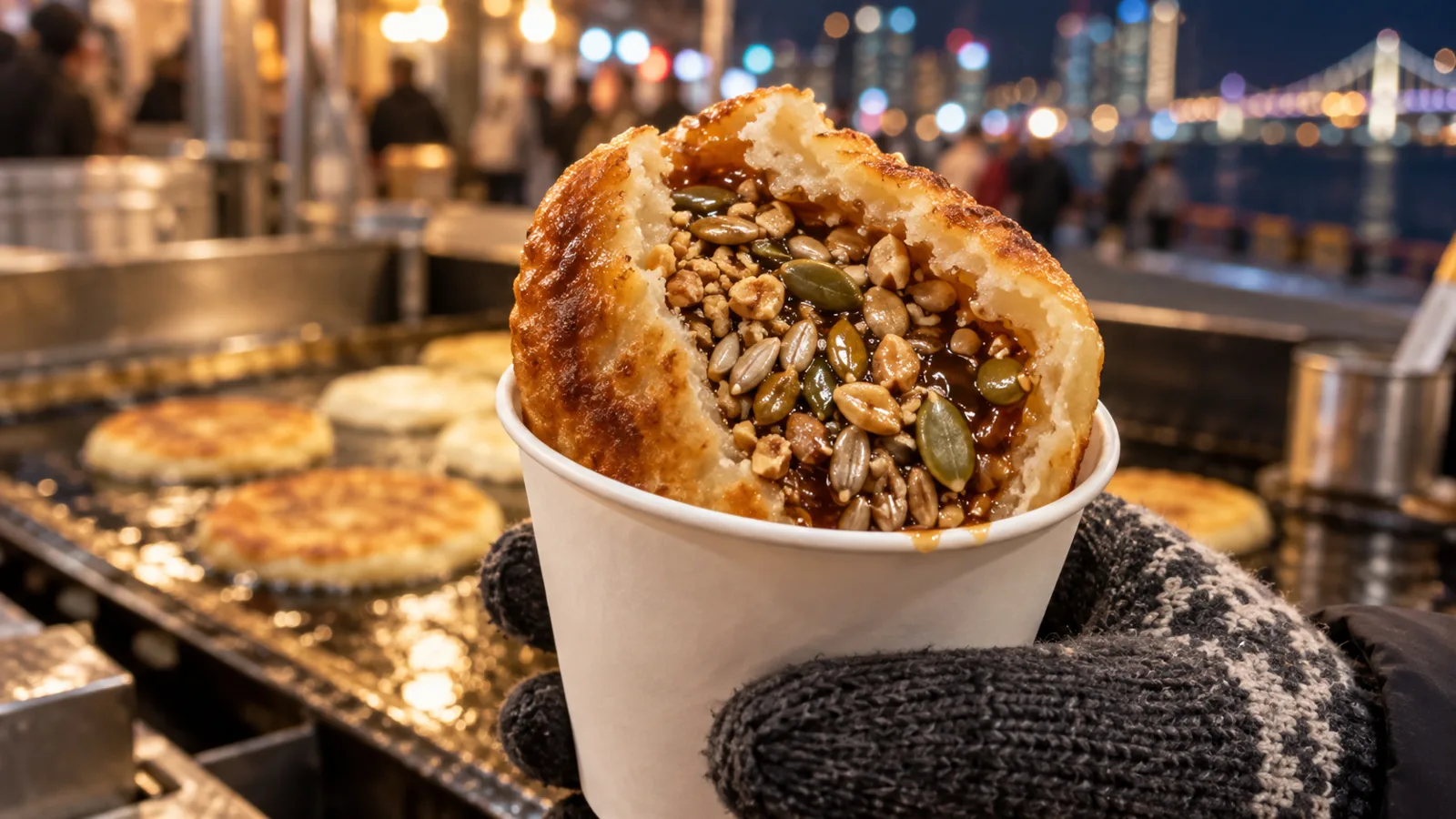
Ssiat Hotteok (Seed Hotteok)
A fried sweet pancake split open and stuffed with sunflower seeds, pumpkin seeds and peanuts — Nampo-dong's famous street snack
← All Busan food · What to eat in Busan · Busan festivals & events